
When to see a dentist
- Toothache or pain when biting
- Teeth that are sensitive to hot, cold or sweet food
- Bleeding, swollen or painful gums
- A broken, chipped or loose tooth
- Bad breath that doesn't go away
- A routine check-up, even when nothing hurts
Everyday care for healthy teeth
Most tooth decay and gum disease can be prevented. The World Health Organization recommends brushing twice a day with fluoride toothpaste and limiting sugary foods and drinks. Regular check-ups help problems get treated early, when treatment is simpler.
Our dental clinic
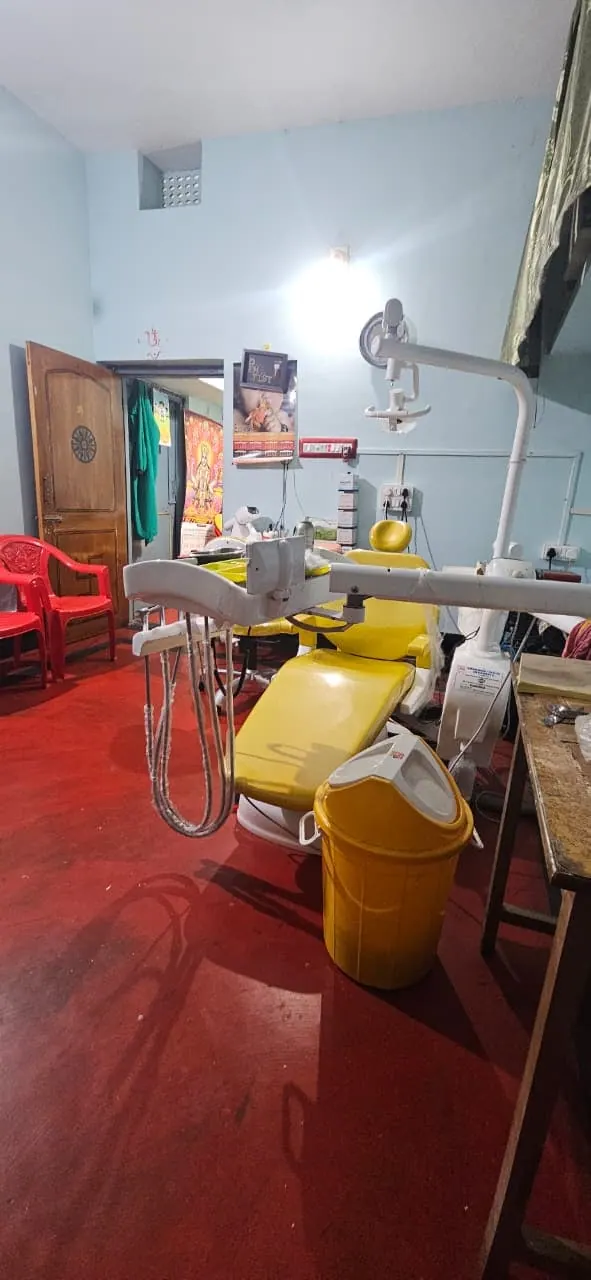
Treatment is provided on a dental chair unit with an overhead operating light and instrument tray, with seating nearby for family members.
When to seek urgent help: If you have facial swelling, a high fever, or difficulty swallowing or breathing with a dental problem, seek urgent medical care.
What to expect
- 1
Talk it through
Tell the dentist about your concern, any pain, and your dental and medical history.
- 2
Examination
Your teeth and gums are examined. An X-ray may be advised if needed.
- 3
Treatment plan
The dentist explains the options, what each involves and how many visits may be needed.
- 4
Treatment and advice
Treatment is carried out or scheduled, with advice on looking after your teeth at home.
What to bring or prepare
- Previous dental X-rays, reports or prescriptions
- A list of your current medicines and any allergies
- Brush your teeth before the visit if you can
Frequently asked questions
How often should I have a dental check-up?
Your dentist will suggest an interval based on the health of your teeth and gums — for many people this is once or twice a year.
What should I do about toothache before my visit?
Avoid very hot, cold or sugary food, keep the area clean, and call the clinic to arrange a visit. Seek urgent care if there is spreading swelling or fever.
Do you offer root canal treatment?
Yes. Dr. Pradhan is a trained endodontist and provides root canal treatment at the clinic.